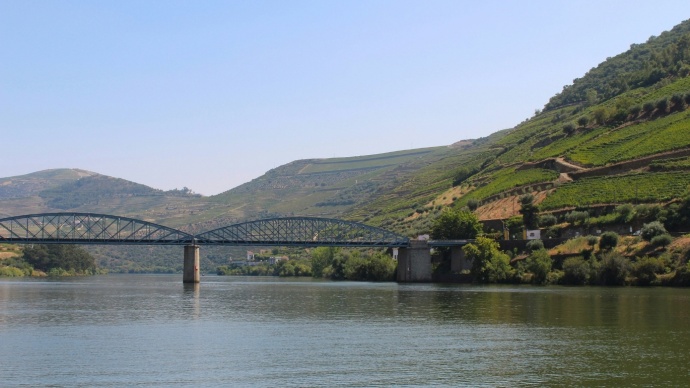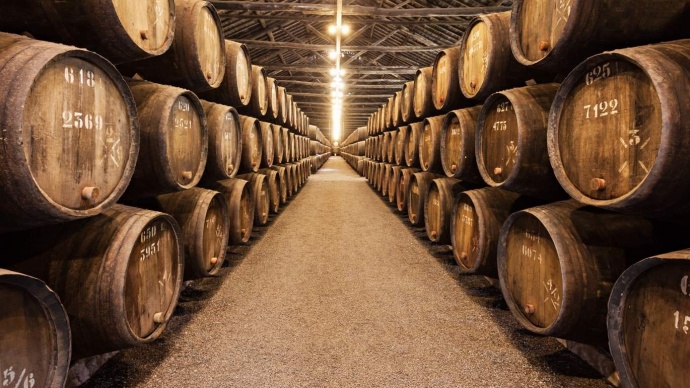

If you’d like to step into a lagar yourself, look at the stretch of the Douro between Pinhão and Peso da Régua during the September harvest. A cellar visit near Pinhão can fit around a day on the walking trails. If you want to pick the grapes as well as tread them, allow a full day and check the harvest dates before choosing your route.
Why do Port producers tread grapes by foot?
Squeeze a ripe red wine grape between your fingers and look at the juice. In most varieties, it’s surprisingly pale. Much of a red Port’s color comes from the skins, which also contribute aromas and tannins. Those tannins give you the slightly drying sensation you feel on your gums when you taste the wine.
A bare foot puts enough pressure on the fruit to split the skins while leaving the hard seeds largely intact. The juice and skins can then mix. Speed matters in Port production because the winemaker adds grape spirit partway through fermentation, leaving only a short time to draw out color and flavor. Our guide to how Port wine is made follows the wine from this point to the bottle.
What happens inside a traditional lagar?
The first stage is the corte, meaning “cut.” The treaders link arms or rest a hand on a neighbor’s shoulder. Moving slowly across the vat in a line, they work their way through the whole bed of grapes. Keeping time matters because it helps the team cover the corners as thoroughly as the middle.
Then comes the liberdade, or “freedom.” The line breaks up and each person can choose where to step. By now there is juice around their legs, and the loose skins tend to float. Pushing them back below the surface keeps them in contact with the juice. This freer stage is when you might hear music in the winery.
Some Douro winemakers still tread grapes by foot in granite lagares. Others use mechanical treaders with broad pads that press the fruit in a similar way. When you taste a Port in the cellar, ask how the winemaker worked that particular batch.
When and where can you try foot treading in the Douro?
Ask about the vindima, the Portuguese word for the grape harvest. September is a good starting point, but neighboring vineyards can ripen at different times. A quinta (wine estate) needs freshly picked grapes in its tank to offer a treading session, so book with the estate and reconfirm close to your visit. Our guide to the Douro Valley harvest season can help you choose your travel dates.
If you’re coming outside harvest time, book a cellar visit that includes the lagares. Seeing the width and depth of an empty tank makes it easier to picture how many people it takes to work a single batch.
Pinhão and the terraces below Provesende
Pinhão is a practical base if you want to combine a cellar visit with a walk through the terraces. During the harvest, look for a visit that explicitly includes time in a lagar. A Port tasting can take place while the cellar team is busy elsewhere, even when freshly picked grapes are arriving from the vineyards.
On our Douro Wine Region self-guided hike, the path from Provesende brings you down through the vineyards to Pinhão. The itinerary also includes a river trip and a transfer to Ucanha. Tell us you’d like to try foot treading when you choose your dates, so we can check what fits around the walk and the onward journey.
Peso da Régua and the vineyards around Cambres
For a longer harvest visit, look across the river from Peso da Régua towards Cambres. Here, a day in the vineyards can start with picking bunches and continue in the cellar with a turn in the lagar. Ask which activities are running on your date, what time picking starts and where to meet the harvest team.
If only some of your group want to tread, check whether the others can watch from the side of the vat and join you for lunch or a tasting. It’s worth settling that detail before setting aside a full day.
What should you wear for grape treading?
Wear shorts you can move in and clothes you’re happy to splash with purple grape juice. For vineyard paths, bring sturdy shoes. You’ll take them off for the lagar and follow the estate’s instructions for washing your feet before you step in.
A small towel and clean socks are worth carrying, especially if you’ll be putting hiking boots back on afterward. If you’re traveling with children or anyone who needs a hand getting into the tank, ask the estate about age limits and access when you reserve.
How to fit a harvest visit into a Douro cycling trip
On our Douro Valley Wine & Food Lovers self-guided bike tour, you visit Pinhão and later ride from Sabrosa to Peso da Régua. For a short session in a lagar, ask about the stop in Pinhão. For a full harvest day, an extra night around Régua gives you time to pick and tread between rides.
If foot treading is what brings you to the Douro, tell us when you plan your trip. We can help you find a harvest visit that fits your route and leave you time to sit down afterward, taste a Port and ask the people who made it about the work you’ve just tried.