
When travelers start planning a trip to the Douro Valley, one place appears again and again: Régua. Also known as Peso da Régua, this riverside town is one of the main gateways to Portugal’s most famous wine region and a natural starting point for discovering terraced vineyards, scenic train rides, wine estates and unforgettable walking routes.
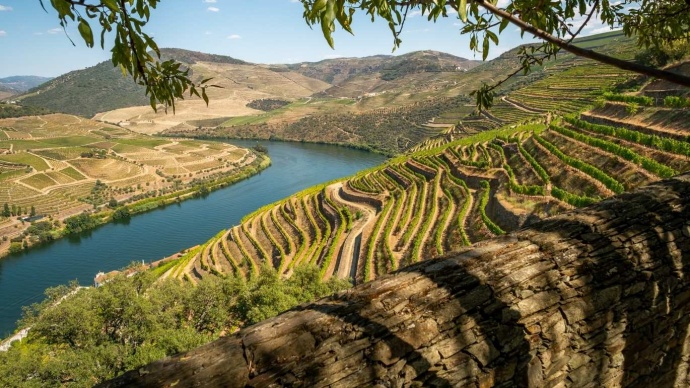
The Douro Valley is part of the Alto Douro Wine Region, a UNESCO World Heritage cultural landscape, shaped by centuries of winemaking and vineyard terraces along the river.
For many visitors, Régua is not just a stop on the map. It is where the Douro begins to feel real. It is also home to the Douro Museum, one of the best places to understand the culture, history and identity of the region before heading deeper into wine country.
Where is Régua in the Douro Valley?
Régua sits in the western part of the Douro Valley, in northern Portugal, and is one of the region’s best-connected towns. It has long played an important role in the Port wine trade and remains one of the most practical bases for exploring the valley today. From here, travelers can continue east toward places like Pinhão and Pocinho, or cross the river and head to hilltop villages, wine estates and viewpoints.
Because of its location, Régua works especially well for travelers who want a mix of convenience and scenery. It is easier to reach than some smaller villages, but it still offers immediate access to the classic Douro landscapes people come to see.
Why visit Régua?
One of the main reasons to visit Régua is that it combines culture, wine and access. You can arrive by train from Porto, stroll along the waterfront, visit a museum, enjoy a tasting and still be surrounded by vineyard-covered hills.
The Douro Line is itself part of the experience, running along the river through the wine region and linking Porto with the heart of the valley. CP (Portuguese Trains) describes it as one of the most scenic ways to discover the region, especially as the landscape becomes more dramatic around Régua, Tua and Pocinho.
Régua also appeals to travelers who prefer a slower and more independent style of travel. It is a place where you can combine wine experiences with walking, short excursions and scenic rail journeys instead of rushing from one viewpoint to another.
What to do in Régua, Douro Valley
Visit the Douro Museum
If it is your first time in the region, the Douro Museum is one of the smartest first stops. Located in Peso da Régua, it presents the memory, culture and identity of the Douro wine region and helps visitors understand how wine shaped both the landscape and the people who live here.
Enjoy the riverfront atmosphere
Régua has an easy, relaxed feel. Walking near the river is one of the simplest pleasures here, especially in the late afternoon when the light softens over the vineyards. It is not the most polished town in the valley, but that is part of its charm. Régua feels lived in, practical and authentic.
Explore nearby vineyards and quintas
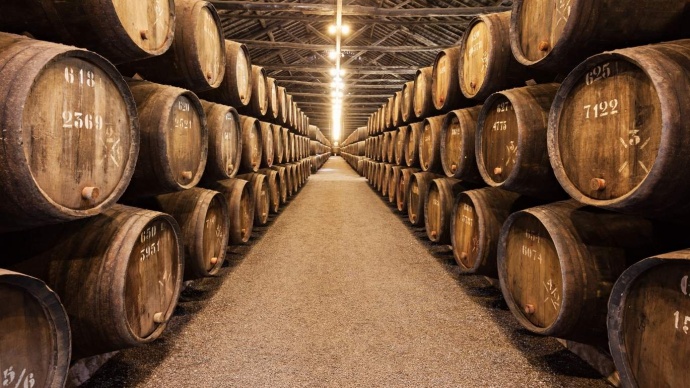
The hills around Régua are filled with historic wine estates, known locally as quintas. Some focus on Port wine, others on Douro DOC wines, and many offer tastings with stunning views over the terraces. As UNESCO notes, this is a wine landscape shaped by nearly 2000 years of viticulture, with Port wine becoming internationally famous from the 18th century onward.
Take the train deeper into the valley
One of the best experiences in the Douro is simply watching the scenery unfold from the railway. The route beyond Régua is especially beautiful, with river views, vineyard slopes and small stations full of local character.
For travelers who want to combine train travel with active exploration, this is one of the most memorable ways to see the region.
Discover nearby towns and viewpoints
From Régua, it is easy to visit some of the Douro’s best known places. Pinhão is famous for its riverside setting and azulejo decorated station, while Lamego, just south of the river, offers history, baroque architecture and one of northern Portugal’s most impressive sanctuaries. Visit Portugal highlights both the Douro Museum in Régua and nearby Lamego as key stops in the region.
Is Régua a good base for a Douro Valley trip?
Yes, especially for travelers who want to combine easy logistics with a real sense of place. Régua is ideal for:
- First-time visitors to the Douro Valley;
- Travelers arriving from Porto;
- Wine lovers who want to visit museums and quintas;
- Walkers looking for vineyard scenery;
- Travelers who enjoy train journeys as part of the trip.
It may not be as small or postcard like as Pinhão, but Régua is often a more practical base, and it gives you quick access to both the river and the hills.
The best way to experience Régua and the Douro Valley
While Régua works well for a short visit, it is even better as part of a longer journey through the Douro. That is when you begin to appreciate the region properly: not only through tastings, but through movement, landscapes and quiet villages between the famous stops.
For travelers who want to experience the valley on foot, the Douro Wine Region self-guided hike tour from Authentic Trails is a strong fit. This itinerary is designed as a hiking journey through the region, with 9 days and 8 nights, an easy to moderate level and routes covering roughly 67 to 80 km (42 to 50 mi), depending on the variant. It is recommended for March to June and September to November, when walking conditions are especially pleasant.
If you prefer to combine city culture, rail travel and vineyard walks, the Porto and the Douro Valley Rail and Hike Tour is another excellent option. This Authentic Trails itinerary blends time in Porto with a rail and hike experience in the Douro, lasting 8 days and 7 nights with 5 stages and an easy to moderate difficulty level. It is a particularly appealing choice for travelers who want to arrive through Porto and then continue into the valley in a more scenic, low stress way.
When to visit Régua
Spring and autumn are generally the best seasons for visiting Régua and the Douro Valley. These months usually bring pleasant temperatures for walking and sightseeing, and they align with the recommended seasons shown on both Authentic Trails tours. Summer can be beautiful but very hot, especially for active travel.