
Port wine is one of Portugal's most famous exports and one of the world's best known fortified wines. Produced exclusively in the Douro Valley, it follows a unique winemaking process that has been refined over centuries.
While Port wine begins much like any other wine - with grapes harvested from vineyards - it is the way fermentation is interrupted, followed by ageing and blending, that gives it its distinctive sweetness, richness and remarkable ageing potential.
In this guide, we'll explain how Port wine is made, step by step, from the vineyards of the Douro to the bottle.
Where is Port wine made?
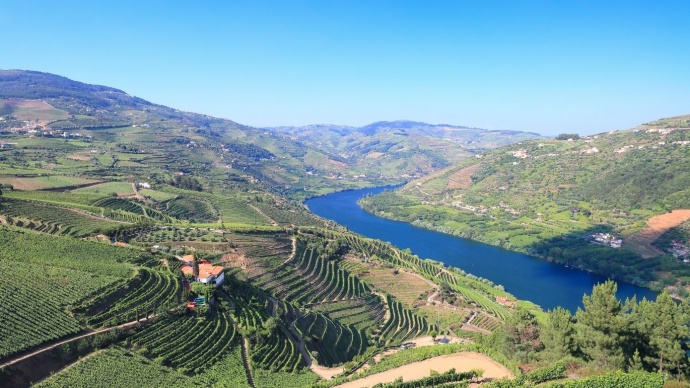
Authentic Port wine can only be produced in the Douro Demarcated Region, the oldest officially demarcated wine region in the world.
The steep terraced vineyards overlooking the Douro River create challenging growing conditions, but they also produce grapes with the concentration and character needed for Port wine.
Although many people associate Port wine with Vila Nova de Gaia, where many historic lodges are located, the grapes are grown and the wine is produced in the Douro Valley before being aged either in the Douro or in Vila Nova de Gaia, depending on the producer and style.
Step 1: Harvesting the grapes
The process begins during the grape harvest, which usually takes place between September and October, depending on the growing season and the ripeness of the grapes.
Because of the steep slopes that characterise the Douro Valley, harvesting is still carried out mainly by hand. This helps protect the grapes and allows pickers to select fruit at the right stage of maturity.
The grapes are transported in small containers to minimise damage before arriving at the winery.
Step 2: Sorting and preparing the grapes
Once they arrive at the winery, the grapes are carefully inspected and sorted.
Depending on the producer and the style of Port being made, the grapes may be separated before entering the fermentation vessels.
Traditional Port producers often ferment the grapes in large granite tanks known as lagares, while many modern wineries also use mechanical systems designed to achieve efficient extraction while protecting the quality of the fruit.
Step 3: Crushing the grapes
One of the best known traditions associated with Port wine is foot treading.
In the traditional method, groups of people tread the grapes by foot inside granite lagares.
The process usually begins with a carefully coordinated phase to crush the grapes evenly before moving to a freer stage that keeps the grape skins submerged during fermentation.
Today, although many premium Ports are still made using traditional foot treading, numerous wineries use modern robotic or mechanical systems that reproduce the same gentle extraction process with greater efficiency.
Step 4: Fermentation
Like all wines, Port begins fermenting when yeast converts the grape's natural sugars into alcohol. During fermentation, the grape skins remain in contact with the juice, allowing the wine to extract:
- Colour;
- Tannins;
- Aromas;
- Flavour compounds.
Step 5: Fortification
Fortification is what makes Port wine different from most other wines.
Rather than allowing fermentation to continue until all the sugar has been converted into alcohol, winemakers deliberately stop the process by adding a neutral grape spirit with an alcohol content of approximately 77% ABV.
This addition immediately stops the activity of the yeasts, preserving part of the grapes' natural sugars.
As a result, Port wine retains its characteristic sweetness while reaching a final alcohol level that generally ranges between 18% and 22% ABV, depending on the style.
Why is Port wine sweet?
Unlike many table wines, Port wine is naturally sweet because fermentation is interrupted before all the grape sugars are consumed. By stopping fermentation early, part of the original fruit sugar remains in the wine.
This balance between alcohol, sweetness, acidity and tannins is one of the defining characteristics of Port wine.
Step 6: Resting after the harvest
Following fortification, the young Port wine remains in the Douro for several months. During this initial resting period, the wine naturally settles before the first selections are made.
Towards the end of winter or in spring, the wines are assessed and classified according to their quality and ageing potential.
Step 7: Ageing
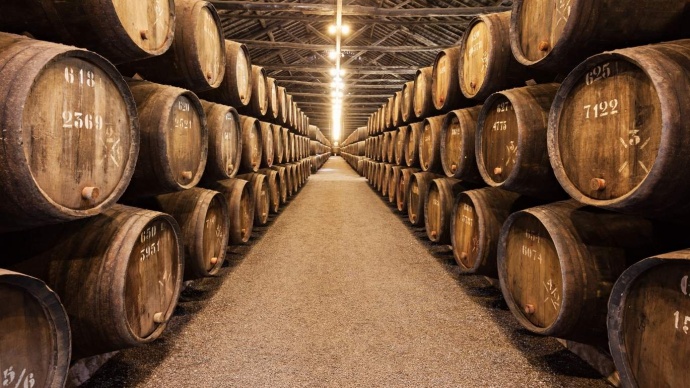
Ageing is one of the most important stages in the production of Port wine. Depending on the style the producer wishes to create, the wine may mature in:
- Oak casks;
- Large wooden vats;
- Stainless steel or concrete tanks during its initial stages.
Because Port wine is fortified, it has exceptional ageing potential and can spend many years developing complexity before bottling.
Step 8: Blending
Before bottling, winemakers regularly taste and evaluate the wines.
Many Ports are created through blending, combining wines from different batches, vineyards or years to achieve consistency, balance and complexity.
This careful process allows producers to maintain the distinctive style of each Port category from one release to the next.
Step 9: Bottling
Once the desired style has been achieved, the wine undergoes its final preparation before bottling. After certification, it is ready for release and can continue ageing in the bottle depending on the style.
Some Ports are intended to be enjoyed relatively young, while others are capable of ageing for decades under the right conditions.
Traditional vs modern Port wine production
Although technology has transformed many aspects of winemaking, Port wine production continues to balance tradition with innovation. Today, producers may use:
- Traditional granite lagares with foot treading;
- Robotic treading systems;
- Temperature controlled fermentation tanks;
- Modern quality control techniques.
Can you see Port wine being made?
Yes, although the harvest period offers the most complete experience.
Visiting the Douro Valley between late summer and early autumn gives travellers the opportunity to see vineyards during harvest and, at some wineries, even witness or participate in traditional grape treading.
Outside harvest season, many wine estates offer guided tours explaining the production process, followed by Port wine tastings.
Experience Port wine in the Douro Valley
Learning how Port wine is made becomes even more rewarding when you visit the landscape where it has been produced for centuries.
Exploring the Douro Valley on foot or by bike allows travellers to discover vineyards, traditional villages and wine estates while gaining a deeper understanding of the region's wine culture.
Authentic Trails offers several self-guided experiences that combine spectacular scenery with local gastronomy and wine traditions, including: These itineraries provide the opportunity to experience the landscapes, vineyards and traditions that make Port wine unique.