
Portugal is often associated with wine, seafood, and historic cities, but olive oil is one of the country’s most important culinary traditions.
For centuries, olive groves have shaped the landscapes, gastronomy, and rural culture of Portugal. Today, olive oil tasting experiences are becoming increasingly popular among travelers looking for a deeper connection with local food traditions and authentic regional products.
From the Douro Valley to Alentejo and Trás-os-Montes, Portugal produces exceptional extra virgin olive oils with distinctive flavors influenced by climate, soil, and traditional production methods.
An olive oil tasting in Portugal is not simply about trying different oils. It is an opportunity to understand local culture, agriculture, gastronomy, and the relationship between the land and Portuguese cuisine.
This guide explores where to enjoy olive oil tasting experiences in Portugal, what to expect, and why the Douro Valley is one of the best regions to discover this side of the country.
Why Portugal is known for olive oil
Olive oil has been part of Portuguese life for thousands of years. The Mediterranean climate, long agricultural traditions, and varied landscapes create ideal conditions for olive cultivation across several regions of the country.
Portugal is one of Europe’s major olive oil producers, especially known for high quality extra virgin olive oils made from native olive varieties.
Portuguese olive oil is widely used in:
- Traditional dishes;
- Seafood recipes;
- Regional cheeses;
- Bread and appetizers;
- Salads and vegetables;
- Meat and fish dishes.
In many rural areas, olive oil production remains deeply connected to local identity and family traditions.
What happens during an olive oil tasting?
Many travelers are surprised by how similar olive oil tasting is to wine tasting. A guided olive oil tasting usually includes:
- Introduction to olive varieties;
- Explanation of production methods;
- Tasting techniques;
- Aroma and flavor analysis;
- Pairing suggestions with local food.
Participants learn how to identify characteristics such as:
- Fruitiness;
- Bitterness;
- Peppery notes;
- Freshness;
- Balance;
- Intensity.
High quality extra virgin olive oils often have grassy, herbal, almond, apple, or pepper notes depending on the region and olive variety.
Some experiences also include visits to olive groves and traditional mills where visitors can see the production process firsthand.
Best regions for olive oil tasting in Portugal
Several regions in Portugal are known for olive oil production, but some stand out more clearly for travelers seeking immersive food experiences.
Douro Valley
The Douro Valley is best known for wine, but olive oil is also deeply rooted in the region’s culture and gastronomy.
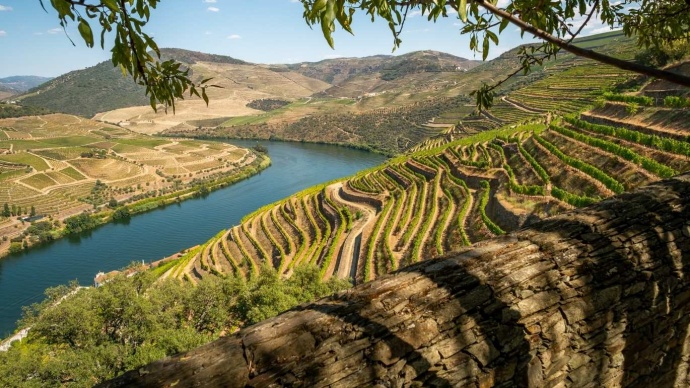
Many vineyards in the Douro also produce olive oil, and traditional olive groves are part of the valley’s landscape alongside the famous terraced vineyards.
Because the region combines wine, food, nature, and rural heritage, it is one of the best places in Portugal for travelers interested in gourmet experiences.
Olive oil tastings in the Douro are often combined with:
- Wine tastings;
- Vineyard visits;
- Regional lunches;
- Walking experiences;
- Bike tours;
- Scenic drives.
For travelers who want to explore the region slowly and connect with local gastronomy, Authentic Trails offers several experiences in the Douro Valley that include food and olive oil traditions as part of the journey.
Some of the most relevant experiences:
- Douro wine region self-guided hike tour;
- Douro Valley self-guided bike tour;
- Douro wine region wine & food lovers self-guided hike tour;
- Douro Valley wine & food lovers self-guided bike tour.
These experiences are ideal for travelers who want to combine active travel with regional food culture, local producers, and slower exploration of the landscape.
Alentejo
The Alentejo is another major olive oil region in Portugal. The landscape here is very different from the Douro Valley, with wide plains, cork oak forests, and endless olive groves stretching across the countryside.
Olive oil experiences in the Alentejo often focus on:
- Traditional production;
- Estate visits;
- Rural tourism;
- Local gastronomy;
- Farm-to-table experiences.
The region is especially known for smooth and balanced olive oils with rich flavors.
Trás-os-Montes
Trás-os-Montes, in northeastern Portugal, is one of the country’s oldest olive oil producing regions.
The area combines mountain landscapes, traditional villages, and strong agricultural heritage.
Because tourism remains relatively limited compared to other parts of Portugal, olive oil experiences here often feel more authentic and connected to local life.
Olive oil and Portuguese gastronomy
Olive oil is present in almost every traditional Portuguese meal. In many restaurants, the experience begins with bread and olive oil before the main dishes arrive.
Portuguese cuisine uses olive oil in:
- Grilled fish;
- Cod dishes;
- Soups;
- Roasted vegetables;
- Salads;
- Cheeses;
- Traditional desserts in some regions.
For this reason, olive oil tasting often becomes part of a wider culinary experience rather than a standalone activity.
Travelers interested in food tourism usually benefit from itineraries that combine gastronomy, wine, and regional culture together.
Experiences such as the Porto & Douro short break wine walking experience allow visitors to discover local flavors while exploring vineyards, villages, and landscapes at a slower pace.
Walking and cycling through olive growing landscapes
One of the best ways to understand olive oil culture in Portugal is by moving through the landscapes where olives are grown. Walking and cycling routes in the Douro Valley often pass through:
- Olive groves;
- Vineyards;
- Small farms;
- Traditional villages;
- Panoramic viewpoints.
This creates a much deeper connection with the region than simply visiting a tasting room.
Travelers looking for immersive active experiences can explore routes such as:
These journeys combine landscapes, gastronomy, wine culture, and rural heritage in a more personal and relaxed way.
Why olive oil tasting is becoming more popular in Portugal
Travelers today increasingly look for experiences connected to local culture rather than only visiting famous landmarks.
Olive oil tasting fits perfectly into this shift toward slower and more meaningful travel. It allows visitors to:
- Meet local producers;
- Understand regional traditions;
- Experience rural Portugal;
- Connect gastronomy with landscape;
- Support local communities.
In regions such as the Douro Valley, olive oil experiences also complement wine tourism naturally.
Together, wine, olive oil, walking, cycling, and regional food create a more complete understanding of Portuguese culture.