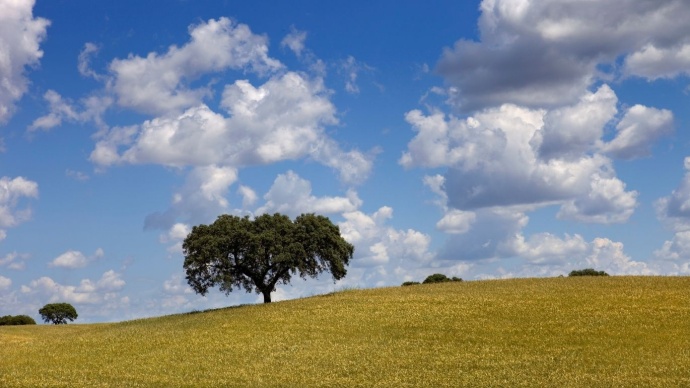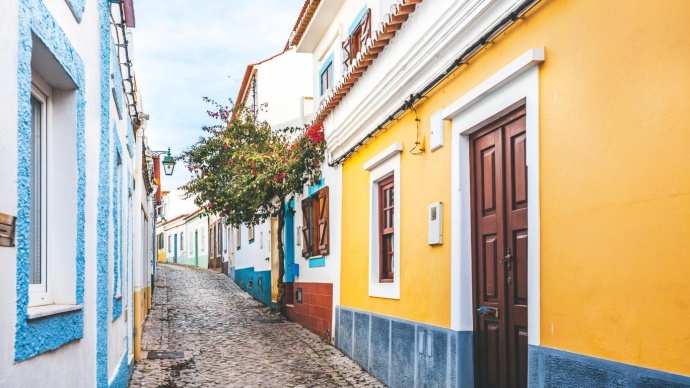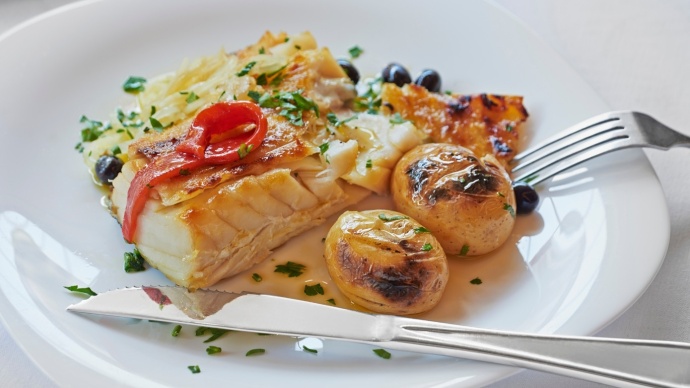

Nestled in the sun-drenched heart of southern Portugal, the Alentejo region has quietly earned a place among the world’s finest wine destinations. Renowned for its rolling plains, cork forests, olive groves and medieval hilltop towns, Alentejo offers more than just idyllic landscapes, it's home to some of Portugal’s most celebrated wineries.
Whether you're a wine enthusiast, a culture lover or a traveler seeking unique experiences, exploring Alentejo wineries will leave a lasting impression on your palate and soul.
In this guide, we delve into the allure of Alentejo wine country: its history, terroir, must-visit estates, wine styles and how you can best explore the region, ideally on foot or by bike itineraries.
Why Alentejo is one of Europe’s top wine regions
From ancient Roman techniques to cutting-edge wineries, Alentejo produces wines that reflect both the land and the people who care for it. Find why this vast and soulful region has earned its place among Europe’s top wine producing areas.
A legacy rooted in centuries of winemaking
The Alentejo has been producing wine since Roman times. Archaeological finds near Évora reveal clay amphorae (talhas) used for fermenting and storing wine, an ancient technique still practiced today. Despite modern innovations, many producers respect these old methods, creating a harmonious blend of tradition and innovation that defines the region’s wine culture.
Ideal conditions for viticulture
With over 22,000 hectares of vineyards, the Alentejo stretches across eight sub-regions, from Portalegre in the north, to Moura and Granja-Amareleja near the Spanish border. The region enjoys:
- Over 3000 hours of annual sun;
- Hot summers and cool nights;
- Low rainfall, which concentrates grape sugars;
- Diverse soils (granite, schist, limestone and clay).
These conditions contribute to full bodied reds and vibrant whites with balanced acidity, elegance and structure.
Alentejo wine styles: what to expect in your glass
Alentejo’s wine styles are as diverse and expressive as its landscapes. Whether you’re sipping a bold red at sunset or a crisp white on a warm afternoon, the region delivers wines with character, balance and a deep sense of place. Find the main styles to expect when exploring the wines of Alentejo.
Full-bodied reds
Alentejo reds are typically smooth, ripe and generous, often made from local grapes such as Aragonez (Tempranillo), Trincadeira, Alicante Bouschet and Touriga Nacional. Many wines age in French or American oak, giving them depth and spicy undertones.
Tasting notes: dark berries, plums, spices, chocolate, tobacco, soft tannins.
Refreshing and fruity whites
White wines are gaining popularity thanks to innovative blends of Antão Vaz, Arinto and Roupeiro. These grapes produce wines that are crisp, floral and perfect for warm weather sipping.
Tasting notes: citrus, green apple, tropical fruit, fresh acidity.
Amphora (Talha) wines
Some wineries still use ancient amphora fermentation, creating earthy, textural wines that reflect the soul of Alentejo’s heritage. These are unfiltered, low intervention and unique, sought after by natural wine lovers.
Top Alentejo wineries to visit
Visiting Alentejo’s wineries is as much about the experience as it is about the wine. Set among rolling hills, cork forests and olive groves, these estates offer more than tastings, they invite us into the heart of the region’s culture, cuisine and craftsmanship. We highlight some of the top estates to visit, where tradition meets innovation in every glass.
1. Herdade do Esporão (Reguengos de Monsaraz)
One of the most iconic Alentejo wineries, Esporão combines modern architecture with organic farming, a Michelin recommended restaurant, and a strong commitment to sustainability. Tours include barrel tastings, visits to the ancient tower and full gourmet meals paired with flagship wines like Esporão Reserva and Monte Velho.
2. Adega Cartuxa (Évora)
Set near the UNESCO World Heritage city of Évora, Cartuxa is a legendary name tied to the Eugénio de Almeida Foundation. Their top wine, Pêra Manca, is one of Portugal’s most prestigious. The estate’s Enotourism center offers elegant tastings and insights into charitable wine production.
3. Herdade dos Grous (Beja)
An award winning estate focused on biodiversity and luxury. Here, you’ll find organic vineyards, a private lake, equestrian activities and a stylish lodge. Their wines are consistently ranked among Portugal’s best, blending international and native varieties.
4. Quinta do Quetzal (Vidigueira)
Known for its architecture and art center, Quetzal offers modern design and excellent white wines, especially from Antão Vaz. The estate also hosts contemporary art exhibitions and an open kitchen restaurant overlooking the vineyards.
5. Fitapreta Vinhos (Évora)
Led by renowned winemaker António Maçanita, Fitapreta focuses on rescuing forgotten grape varieties and crafting authentic, low intervention wines. Their hilltop winery in an old medieval palace adds history to every sip.
How to explore the Alentejo wine region
- Self-guided walking or cycling tours: one of the best ways to experience Alentejo wineries is by bike or on foot, passing through vineyards, olive groves and ancient villages at your own pace;
- Train and hike combinations: combine rail travel with countryside walks, visiting small towns and rural cellars. It’s a slow travel option that lets you soak in the beauty of the region between tastings;
- Stay at wine hotels (enoturismo): many wineries offer charming accommodations, where you can sleep among the vines, enjoy sunset dinners and wake to birdsong in the vineyards. Think infinity pools, rustic stone villas and gourmet farm-to-table cuisine.
Talk to Maria, our Digital Travel Designer. She'll take care of everything.
Beyond wine: what else awaits in Alentejo
- Évora: a UNESCO gem with Roman temples, bone chapels, and ancient aqueducts;
- Monsaraz: a whitewashed hilltop town overlooking the Alqueva lake;
- Cork forests: Portugal is the world’s largest cork producer. Visit cork trails or workshops near Estremoz or Arraiolos;
- Gastronomy: sample black pork, açorda alentejana (bread and garlic soup), and local cheeses;
- Starry skies: Alqueva is the world’s first Starlight Tourism Destination. The dark skies are perfect for stargazing after a long wine-soaked day.
Alentejo wineries offer more than just excellent wines, they’re windows into Portugal’s history, lifestyle, and deep connection with the land. From ancient amphorae to avant-garde estates, each winery tells a story. When paired with Authentic Trails’ slow-travel adventures, your journey becomes more than a tasting, it becomes a memory.
Start planning your Alentejo wine escape today. Walk, ride or toast your way through Portugal’s most soulful region.
More to discover: