
The distance from Porto to Santiago de Compostela is more than just a number, it represents a journey rich in history, faith, nature, and cultural discovery. Whether you're walking the Portuguese Camino de Santiago for spiritual reasons, personal growth, or the joy of long distance trekking, understanding the route from Porto to Santiago is essential for planning, motivation and ultimately, fulfillment.
In this article we’ll explore the official distance, different route options, average walking times, historical context, practical logistics and what you can expect along the way. By the end, you’ll know exactly how to prepare for this unforgettable pilgrimage.
How far is it from Porto to Santiago de Compostela?
The distance from Porto to Santiago de Compostela via the Portuguese Central Way is approximately 240 kilometers (149 miles).
This is the most direct and popular walking route from Porto to Santiago and can be completed in 10 to 14 days, depending on your pace and itinerary.
However, there are multiple route options:
| Route | Distance | Terrain |
|---|---|---|
| Central Camino | 240 km (149 miles) | Inland, paved and rural trails |
| Coastal Camino | 280 km (174 miles) | Oceanfront paths and boardwalks |
| Spiritual Variant (via Vila Nova de Arousa) | 265 km (165 miles) | Mix of inland + boat crossing of the Ulla River |
The distance may vary slightly depending on starting points within Porto, side trips or accommodations chosen along the way.
Camino route options from Porto: choosing your path
1. The Portuguese Central Camino
- Distance: 240 km (149 miles);
- Duration: 10-12 walking days;
- Highlights: Barcelos, Ponte de Lima, Valença, Tui, Pontevedra, Padrón;
- Terrain: a mix of cobbled streets, dirt paths, rural roads and eucalyptus forests.
The Central Camino is the most historically established route and offers a balance of natural beauty, small-town charm and spiritual tradition. You’ll cross the Spanish border at the River Minho and join many other pilgrims on the final stretch.
2. The Portuguese Coastal Camino
- Distance: 280 km (174 miles);
- Duration: 12-14 walking days;
- Highlights: Vila do Conde, Esposende, Viana do Castelo, Baiona, Vigo;
- Terrain: coastal promenades, boardwalks, sandy tracks, forest paths.
Ideal for those who love the ocean, the Coastal Camino begins west of Porto and hugs the Atlantic for much of the first half of the journey. It later merges with the Central Way near Redondela.
3. The Spiritual Variant
- Distance: 265 km (165 miles);
- Duration: 12-13 walking days;
- Unique element: includes a boat ride from Vilanova de Arousa to Padrón;
- Route: Pontevedra → Armenteira → Vilanova de Arousa → boat to Padrón → Santiago.
This variant adds a spiritual dimension, following the path believed to be taken by the remains of Saint James as they were transported by sea. The boat journey through the Ulla River estuary is unforgettable.
Walking time and daily distances
Most pilgrims walk 15-25 km (9-15 miles) per day, which allows time for rest, cultural visits, and enjoying local food.
Here’s a sample breakdown for the Portuguese Central Route:
| Day | From → To | Distance |
|---|---|---|
| 1 | Porto → Vilarinho | 25 km (15 miles) |
| 2 | Vilarinho → Barcelos | 24 km (15 miles) |
| 3 | Barcelos → Ponte de Lima | 34 km (21 miles) |
| 4 | Ponte de Lima → Rubiães | 19 km (12 miles) |
| 5 | Rubiães → Tui (Spain) | 18 km (11 miles) |
| 6 | Tui → O Porriño | 17 km (10 miles) |
| 7 | O Porriño → Redondela | 16 km (10 miles) |
| 8 | Redondela → Pontevedra | 19 km (12 miles) |
| 9 | Pontevedra → Caldas de Reis | 21 km (13 miles) |
| 10 | Caldas de Reis → Padrón | 19 km (12 miles) |
| 11 | Padrón → Santiago de Compostela | 24 km (15 miles) |
You can customize this itinerary by adding rest days or shortening long stages based on your comfort and fitness level.
How to travel from Porto to the starting point of the Camino?
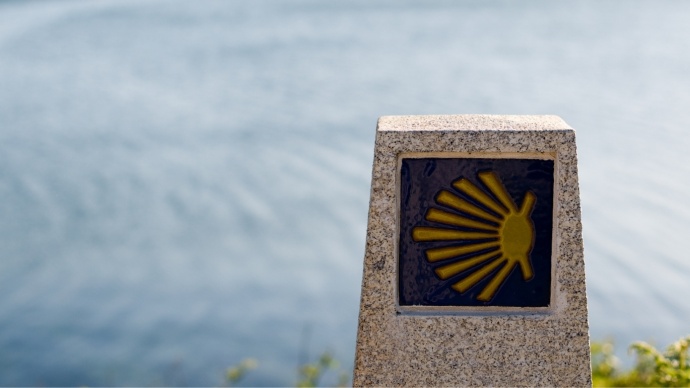
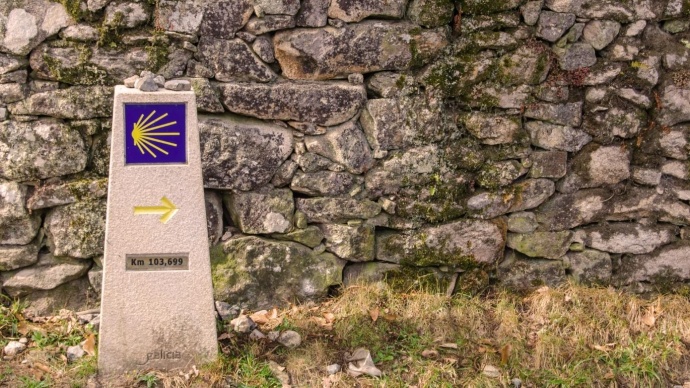
Many pilgrims begin walking right from the Porto Cathedral (Sé do Porto), the official starting point of the Portuguese Camino. It’s centrally located and well marked with yellow arrows and scallop shells.
Starting outside the city
Some travelers choose to begin in Vila do Conde or Labruge to avoid urban traffic and jump straight into rural or coastal settings. These points are easily reached by Porto’s metro or train systems.
What to expect along the way
- Albergues (pilgrim hostels): budget-friendly, basic lodging with shared facilities;
- Guesthouses and boutique stays: widely available, especially when booked in advance;
- Luggage transfer services: available for those who prefer to hike light.
Food and drink
Portuguese and Galician cuisine is rich and satisfying. Expect:
- Bacalhau (salt cod);
- Caldo Verde (kale soup);
- Octopus, grilled meats and rustic breads;
- Local wines (Vinho Verde, Albariño).
Camino community
The camaraderie of the Camino is a highlight. Pilgrims from around the world share the trail, meals and experiences, often forming friendships that last long after the journey ends.
What to pack for the Porto–Santiago hike
- Lightweight hiking boots or shoes;
- Layered clothing for changing weather;
- Waterproof jacket;
- Sunscreen and hat;
- Blister treatment kit;
- Water bottle and snacks;
- Camino Credential (Pilgrim Passport);
- Travel insurance.
Keep your pack under 10 kg (22 lbs) if possible, especially if you’re carrying everything yourself.
Make it easy: self-guided Camino tours with Authentic Trails
Want to walk the Portuguese Camino from Porto to Santiago with expert support, but at your own pace?
Camino de Santiago Self-Guided Essential Hike Tour
This thoughtfully designed program offers:
🎒 Daily luggage transfers;
🚑 Emergency support and local guidance;
🚶 Flexibility to walk alone or with friends, with the structure already in place.
Perfect for first-time pilgrims or experienced hikers looking for a hassle-free experience. Begin your transformative journey, step by step, from Porto to Santiago, with Authentic Trails by your side.
The distance from Porto to Santiago de Compostela may be measured in kilometers or miles, but the real depth of the Camino is measured in quiet moments, shared stories and the deep sense of accomplishment that comes from each footstep.
More to discover: